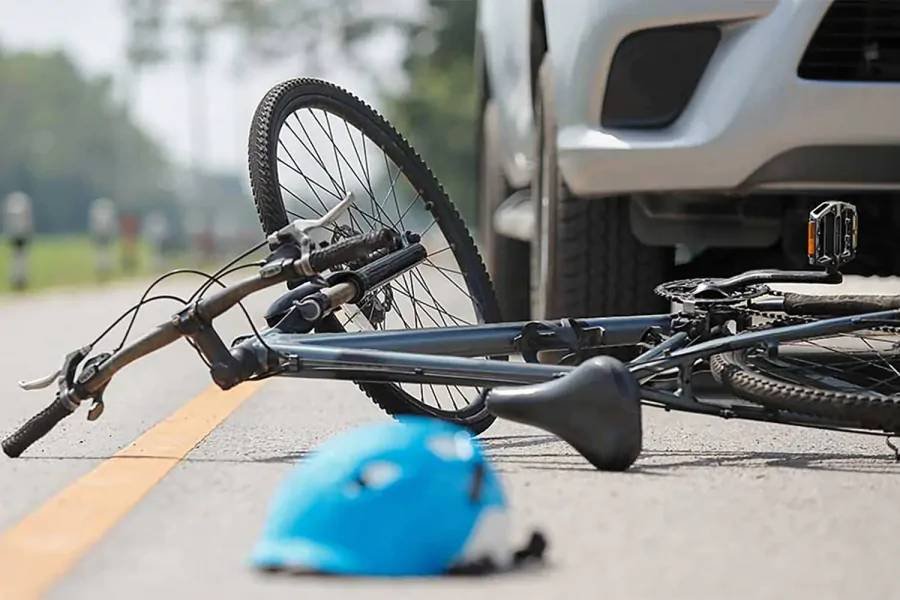
Cyclists have the rights of a vehicle
Under Wisconsin law, a person on a bicycle generally has the same rights and duties as the driver of a vehicle. Drivers must leave at least three feet when passing a cyclist, and they must yield where the law requires it. When a motorist violates those rules, the resulting injuries can be severe even at low speeds.
Paul M. Marriett handles the insurance side — including the common tactic of blaming the cyclist — while you focus on recovering.
Injuries and coverage
Because a cyclist has little between them and the road, these crashes often mean fractures, road rash, and head injuries. Your own auto insurance may provide coverage even though you were on a bike, and an uninsured or underinsured motorist may still leave options on the table. Sorting out which policies apply is part of the work.
How bike crashes happen in a bike city
Madison's network of bike lanes and paths is one of the best in the country, but the conflict points between bikes and cars are where riders get hurt. The recurring patterns:
- Right hooks — a driver passes a cyclist and then turns right across their path.
- Left crosses — an oncoming driver turns left in front of a rider going straight.
- Dooring — a parked driver opens a door into the bike lane without looking.
- Failure to yield — at intersections, driveways, and where a bike lane crosses a turn lane.
In each of these, the driver's duty to watch for and yield to a cyclist is central — and it is exactly the point insurers try to blur.
Wisconsin rules that protect cyclists
Same rights, same rules. A person on a bicycle generally has the rights and duties of a driver, and motorists must leave at least three feet when passing.
Shared fault. Wisconsin's comparative-negligence rule lets you recover as long as you were not more at fault than the driver, reduced by your share. Expect the insurer to argue you weren't visible or weren't following the rules — a documented record answers that.
Time limits. Most Wisconsin injury claims carry a three-year filing deadline, and shorter notice deadlines can apply when a government vehicle is involved.
What your claim can cover
Depending on the facts, compensation in a bicycle case may include:
- Emergency and ongoing medical care;
- Future treatment, rehabilitation, and any lasting disability;
- Lost income and reduced earning capacity;
- Pain, suffering, and the effect on your daily life;
- Damage to your bicycle and gear.
Paul M. Marriett works to identify every policy that may apply — the driver's, and often your own — so the claim reflects the full cost of the injury.
What a case costs
Cases like this are handled on a contingency-fee basis: no hourly bills, and the attorney fee comes out of any recovery. Clients may be responsible for litigation costs and expenses regardless of outcome — Paul M. Marriett explains exactly how that works, in writing, before you sign anything.
Frequently asked questions
Do cyclists have the same rights as drivers in Wisconsin?
Generally yes. Under Wisconsin law a person on a bicycle has the same rights and duties as the driver of a vehicle, and motorists must give at least three feet of space when passing.
The driver says I wasn't in a bike lane or ran a light. Does that end my claim?
Not necessarily. Wisconsin uses comparative negligence, so you can recover as long as you were not more at fault than the driver. A careful look at the scene, signals, and witnesses often tells a different story than the insurer's.
Can my own auto insurance help if I was hit while biking?
Often yes. Medical-payments and uninsured/underinsured motorist coverage on your own auto policy can apply even though you were on a bike. Identifying every available policy is part of the work.
What if it was a hit-and-run driver?
Your own uninsured-motorist coverage may apply in a hit-and-run. Reporting the crash promptly and preserving what you can about the vehicle helps protect that option.
How much space must a car give me when passing?
Wisconsin law requires drivers to leave at least three feet of clearance when passing a cyclist. A pass that crowds a rider off the road can be evidence of the driver's negligence.
How much does it cost to hire Paul for a bicycle accident case?
Bicycle cases are handled on a contingency-fee basis: no hourly bills, and the attorney fee comes out of any recovery. Clients may be responsible for litigation costs regardless of outcome, and Paul explains exactly how that works, in writing, before you sign.